Cloud
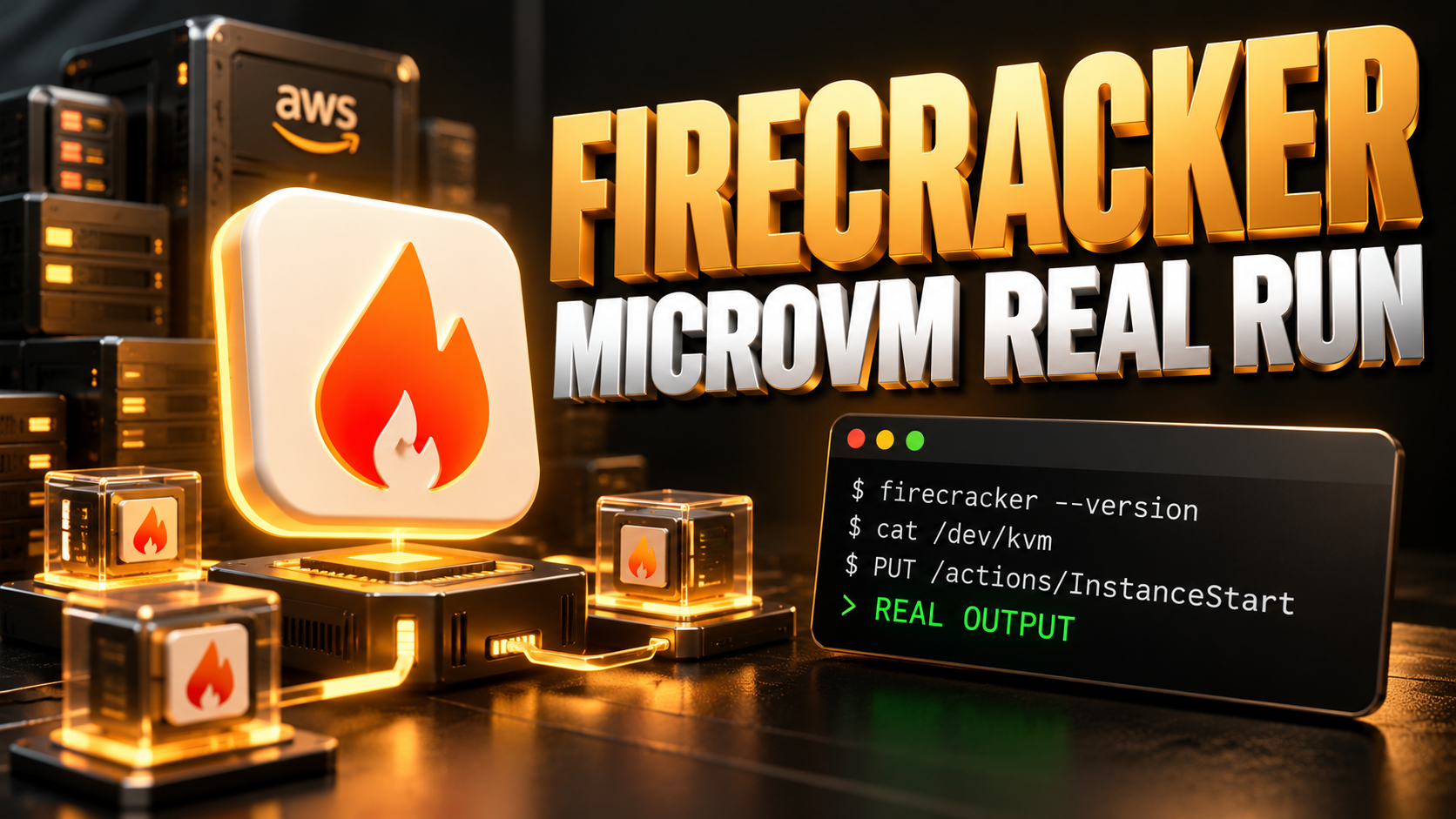
How We Started a Firecracker MicroVM by Hand: Every Command and Every Output
Firecracker microVM by hand on an AWS cloud server, and we recorded every command and every output. The post follows the official …
AI · Cloud · DevSecOps · Engineering
We help you with it. Production-grade tutorials, hands-on projects, and interactive roadmaps - everything you need to become a Cloud DevSecOps engineer.
Firecracker microVM by hand on an AWS cloud server, and we recorded every command and every output. The post follows the official …
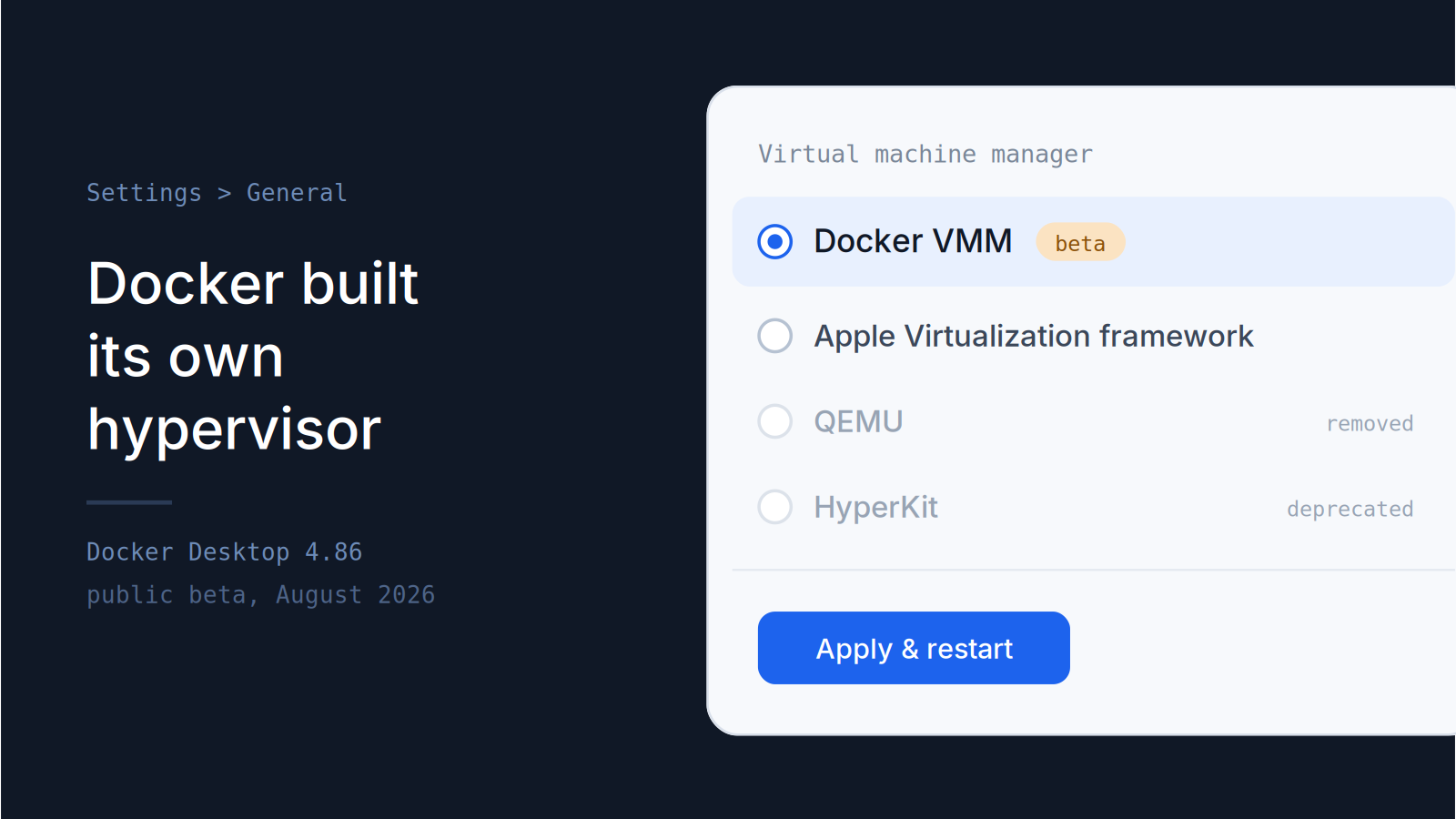
Docker Built Its Own Hypervisor. Your Laptop Will Notice. For 13 years, the virtual machine below Docker Desktop belonged to somebody else. …
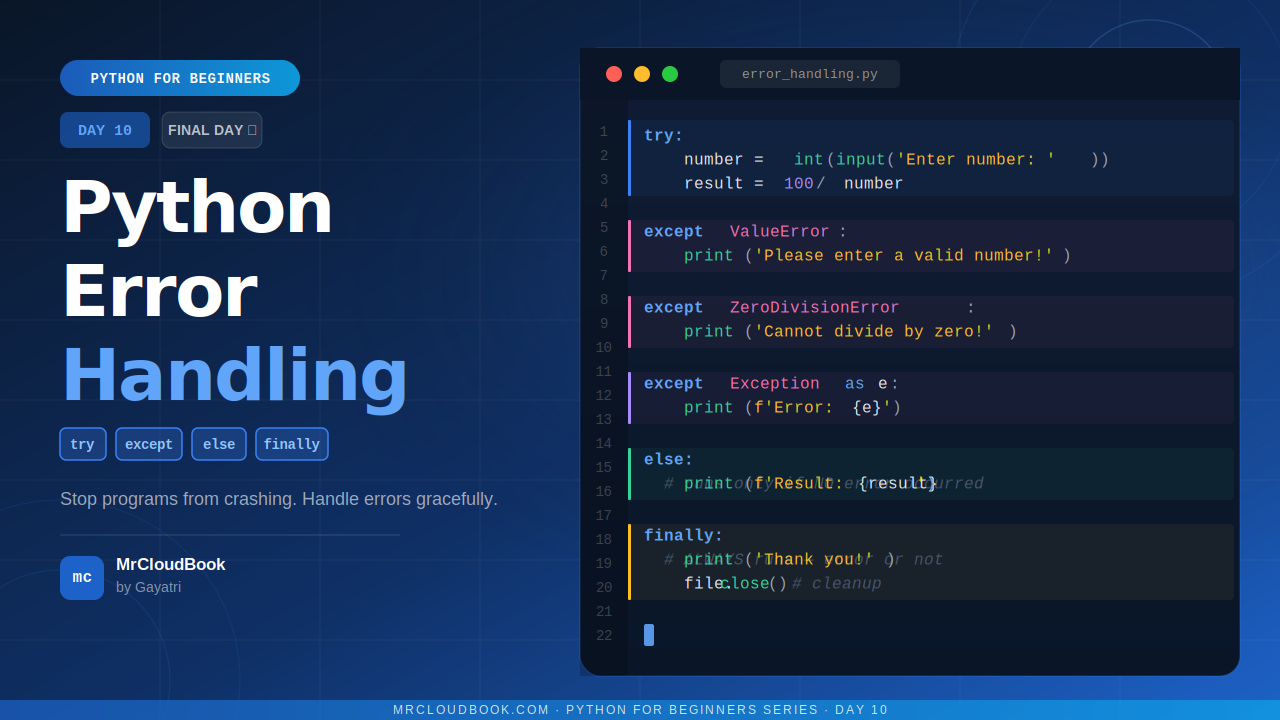
Every real Python programmer must know this. Stop your programs from crashing and start handling problems gracefully.
@mr.cloudbook
Step-by-step DevOps projects you can follow along - CI/CD pipelines, Kubernetes deployments, Docker builds, Terraform infra, and end-to-end production setups.
Most Watched
Netflix Clone CI/CD Pipeline - Jenkins, Docker, Kubernetes & Monitoring
A structured path from Linux basics to production-grade AI Cloud DevSecOps - follow it step by step.
Master the CLI, shell scripting, user management, process control, and networking - DNS, TCP/IP, HTTP, and firewalls.
Learn a language for automation and tooling. Understand data formats, REST APIs, and writing reusable scripts.
Branching strategies, pull requests, merge conflicts, rebasing, tagging, and collaborative workflows.
Cloud-native services - compute, storage, networking, IAM, and managed Kubernetes across major providers.
Build images, multi-container apps, networking, volumes, and private registries.
Provision infrastructure declaratively. Reusable modules, state management, and config at scale.
Automate build, test, deploy. Multi-stage pipelines, parallel jobs, caching, artifacts, and rollbacks.
Pods, Services, Deployments, StatefulSets, RBAC, Ingress, Helm, and managed K8s clusters.
Shift left - vulnerability scanning, secrets, policy enforcement, image signing, and compliance.
Metrics, logs, traces, dashboards, alerting, SLIs/SLOs, and incident response.
Git as the source of truth. Pull-based reconciliation, canary releases, blue-green, and feature flags.
Service-to-service communication, traffic routing, mTLS, and internal developer platforms.
"The DevSecOps CI/CD tutorials are the most hands-on, practical guides I've found anywhere. Each step is clearly explained with real commands you can copy and run."
"The Kubernetes Masterclass series took me from zero to deploying production clusters on EKS. The day-by-day format made it easy to follow alongside work."
"I love how every project includes security scanning from the start - not as an afterthought. This is how real DevSecOps should be taught."
"Mr Cloud Book's YouTube channel combined with these blog posts created the perfect learning combo. Got my first DevOps job within 6 months of following along."
"The Terraform and Ansible posts saved me hours of debugging. Clear, concise, and production-tested. Bookmarked every single one."
"The DevSecOps CI/CD tutorials are the most hands-on, practical guides I've found anywhere. Each step is clearly explained with real commands you can copy and run."
"The Kubernetes Masterclass series took me from zero to deploying production clusters on EKS. The day-by-day format made it easy to follow alongside work."
"I love how every project includes security scanning from the start - not as an afterthought. This is how real DevSecOps should be taught."
"Mr Cloud Book's YouTube channel combined with these blog posts created the perfect learning combo. Got my first DevOps job within 6 months of following along."
"The Terraform and Ansible posts saved me hours of debugging. Clear, concise, and production-tested. Bookmarked every single one."
MrCloudBook is a free, community-driven platform with production-grade DevOps tutorials, real-world projects, and cheat sheets. Everything you need to go from beginner to hired.